


| Received | : | May 16, 2025 |
| Accepted | : | June 09, 2025 |
| Published Online | : | Online: June 16, 2025 |
| Journal | : | Annals of Cardiology and Vascular Medicine |
| Publisher | : | MedDocs Publishers LLC |
| Online edition | : | http://meddocsonline.org |
Cite this article: El Mehdi T, Amri M, Kamal H, Meryem H, Abdennasser D, et al. Cardio-Vascular manifestations of Takayasu Disease. Ann Cardiol Vasc Med. 2025; 8(1): 1088.
Prerequisites: Takayasu disease is an inflammatory vasculitis affecting mainly large vessels such as the aorta and its main branches in women under 40.
Purpose: This affection remains under-diagnostiqued by the most of cardiovascular praticiens. In order to identify the clinical, biological, radiological and evolutionary data of Takayasu disease’s cardiovascular manifestations. We conducted a retrospective study of 11 cases at the Ibn Rochd University Hospital in Casablanca.
Results: The 11 patients (3 men - 8 women) had a mean age at diagnosis of 37 years. There was frequent involvement of the thoracic and carotid aortas (4 cases), followed by subclavian and renal involvement (3 cases). The distribution of patients according to the Luppi-Herrera classification: 3 cases type 1, 3 cases type 2 and 4. High blood pressure was found in 8 patients, and the Ambulatory Blood Pressure Monitoring revealed 4 unbalanced profiles, 2 of which were non-Dipper. Left Ventricule alteration on Trans-Thoracic Echocardiography was found in 3 patients, 2 of whom were diagnosed with Myocardial Infarction. Aortic Regurgitation was noted in 3 cases, one of them severe. Inflammatory Syndrom and immunological disturbance were present in 5 patients. Other findings included 3 cases of stroke, 2 cases of hypermetabolism on Pet-Scan, 1 case of renal hypotrophy on DMSA scintigraphy and renal ultrasound and 2 cases of ocular vasculitis on fundus. Corticosteroid therapy was given to 9 patients, including 6 with methotrexate. 3 patients required immunosuppressive therapy. Antihypertensive treatment was prescribed in 8 patients and modified in 5. Surgical treatment was performed in 1 case, with angioplasty of the renal artery. Coronary angiography was performed in 2 patients with Myocardial Infarction, and was normal in one case, with angioplasty of the middle IVA in the other. Progression showed marked improvement, stabilization of signs and good quality of life.
Conclusion: Despite the limited size of the study, the clinical, biological and radiological data show variable cardiovascular damage in Takayasu Disease. These data remain close to published series with the same evolution.
Abbreviations: DMSA: Dimercaptosuccinic Acid; LAD: Left Anterior Descending; ACR: American College of Rheumatology; ESR: Erythrocyte Sedimentation Rate; CBC: Complete Blood Count; CT: Computed Tomography; PET-Scan: Positron Emission Tomography scan; SPSS : Statistical Package for the Social Sciences; ABI: Ankle-Brachial Index; PAD: Peripheral Arterial Disease; LBBB: Left Bundle Branch Block; LVH: Left Ventricular Hypertrophy; MI: Myocardial Infarction; LV: Left Ventricle; LVFP: Left Ventricular Filling Pressure; PH: Pulmonary Hypertension; RV : Right Ventricle; ABPM: Ambulatory Blood Pressure Monitoring; TNF: Tumor Necrosis Factor; PDA: Posterior Descending Artery.
Takayasu’s disease is a chronic inflammatory arteritis of the great vessels affecting with predilection the aorta, its main branches and the pulmonary arteries especially the young woman before 40 years (classically “disease of women without pulse”). Its etiology is unknown. It was described in 1908 by Professor Takayasu, a Japanese ophthalmologist.
Takayasu’s disease is a rare vascular disease. This aortoarteritis is characterized on the physiopathological level by the intervention of immune anomalies following an activation of the immune system at the level of the elastic limit of the arterial wall by an inflammatory process leading to a thickening of the vascular wall as an early and most characteristic sign, then gradually to stenosis, thrombosis and sometimes to the development of aneurysms.
In order to identify the clinical, biological, radiological and evolutionary data of the cardiovascular damage of Takayasu’s disease with its evolutionary modes. We are conducting a retrospective study at the CHU Ibn Rochd in Casablanca about 11 cases.
During this retrospective study, we analyzed 11 observations of patients with Takayasu’s disease, diagnosed in the Cardiology department of Ibn Rochd Hospital in Casablanca, collected over a period from October 2021 to January 2023.
Takayasu arteritis is a rare large-vessel vasculitis, with an estimated incidence ranging from 1 to 2 cases per million inhabitants per year. The 11 cases included in our study were diagnosed over a period of 15 months at the Ibn Rochd University Hospital, which is a major tertiary referral center in Casablanca. This number is consistent with the expected prevalence for our geographic and demographic setting. While the sample size is limited, it reflects the real-life clinical experience in a single center managing a rare disease. A multicenter collaboration would indeed enhance statistical power and allow broader generalizability of findings. Nonetheless, our data offer meaningful insights into the cardiovascular manifestations and management of TA in a North African context.
The inclusion criteria was the diagnosis of Takayashu’s disease which was retained on clinical, biological and radiological data based on the criteria of the American College of Rheumatology (ACR).
Thanks to a previously established operating form, we noted for each patient, the epidemiological data, the personal and family history, the functional signs of the disease and the data of the complete physical examination with blood pressure measurement in the four limbs.
The following paraclinical explorations were carried out:
• On the biological level: an inflammatory assessment including a CBC, a Sedimentation Rate (ESR), a dosage of C-reactive protein, fibrinogen, renal function and a dosage of troponins with an immunological assessment
• An echocardiogram, an electrocardiogram, a blood pressure Holter and an ophthalmological examination.
• Regarding the type of arterial involvement, we based ourselves on the Ueno topographic classification modified by Lupi-Herrera and reviewed at the Tokyo conference in 1994.
• These damages were determined after carrying out an Angioscanner and a Doppler ultrasound of the supra-aortic trunks.
• These damages were determined after carrying out an Angioscanner and a Doppler ultrasound of the supra-aortic trunks.
The inflammatory syndrome was defined by an ESR greater than or equal to 20 mm at the first hour associated with a C-reactive protein greater than 5 mg/l and/or a fibrinogenemia greater than 4 g/l.
The evolution was judged on the modifications of the pulse, the improvement or the reappearance of the functional and vascular signs, the improvement or not of the blood pressure figures under treatment.
Data were entered using Excel software and analyzed using SPSS software.
Takayasu arteritis diagnosis is retained with a sensitivity of 90.5% and a specificity of 97.8% when three of the six criteria above are present.
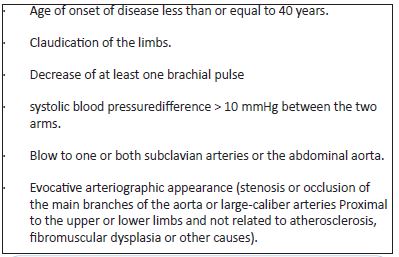
Chart 1: American College of Rheumatology classification criteria [1].
These are 11 patients (3 men - 8 women) whose mean age at the time of diagnosis is 39 years (range: 22-71 years) for women and 32.66 years (range: 18-44 years) for men, with a sex ratio of 3/8.
Only one patient was under 20 years old at the time of diagnosis and 4 were over 40 years old.
All our patients came from an urban origin except one patient who was from a rural origin.
Regarding cardiovascular risk factors (FDRCVx), 9 of our patients had at least one FDRCVx, 7 of whom were hypertensive, one diabetic, 2 smokers, dyslipidemic and 3 postmenopausal women.
The distribution of clinical signs of the disease is summarized in (Table 1). At clinical evaluation, no patient showed general signs, while functional cardiovascular signs were present in 9 patients (81.81%) of which 6(54.54%) had MI claudication, 5(45.45%) were dyspneic and 3(27.27%) had angina. While these signs were absent in 2 patients (18.18%).
Clinical examination revealed arterial hypertension was present in five patients, 2 of whom had grade I hypertension, 2 had grade II and 1 patient had grade III hypertension. This arterial hypertension is reported in the 4 cases to a stenosis of the renal artery. In one case, it was a malignant hypertension revealing the disease.
On analysis of the ABI, 2 of our patients (18.18%) had mediacalcosis, 3 had a normal ABI while up to 6 patients (54.54%) presented with PAD.
Anisotension was found in 7 patients (63.63%).
A peripheral pulse abnormality was present in eight patients (72.72%) and at least one vascular murmur in four patients (36.36%).
Ophthalmologic signs were found in a single patient with, on fundus examination, cotton wool nodules and tortuous vascular.
Electrically
All patients had a regular sinus rhythm, the QRS was wide in only one patient with LBBB type conduction disorder while an electrical LVH was present in 4 patients. Repolarization disorders were present in 5 patients, 2 of whom had negative T waves and 3 had ST segment depression. In addition, IDM was found in 2 patients with troponins returning positive thereafter.
Trans-Thoracic Echocardiography
The systolic function of the LV was altered in 3 patients with a dilated LV in 1 patient. The LVFP were low and there was no PH with a non-dilated RV and good function in all our patients. Regarding valvulopathy, 1 patient had mitral valvulopathy and 3 had Aortic Insufficiency, 1 of which was severe. A dilation of the proximal aorta was observed in one patient.
Radiological presentation
The lesion distribution of the disease is summarized in (Table 2). Primary carotid artery disease was found in 3 patients and left internal carotid artery in 1 patient. Subclavian involvement was present in three patients.
The polygon of Willis was affected in one patient and the left vertebral in another.
Four patients had a lesion of the thoracic aorta. The study of the abdominal aorta found a lesion.
The ilio-femoral axis was affected in one patient, involving the left internal and external iliac artery.
The study of the renal axes found three cases including two from the left renal artery and one from the right, all suffering from arterial hypertension.
The digestive axis was also affected with two cases of involvement of the celiac trunk, two involvement of the superior mesenteric artery and one case of involvement of the inferior mesenteric artery and the splenic artery.
With regard to the peripheral axes, in the upper limbs, there was 1 case of right radial artery and one case of the right ulnar. In the lower extremities, there were two cases of the anterior tibial, one case each of the posterior tibial, peroneal and left popliteal and right and left pedal arteries.
The arterial lesions were of the type of stenosis in six cases, occlusion in two cases and parietal thickening in three cases. In one case, an ectasia of the ascending aorta and a case of abdominal aortic malformation under the kidney were noted: very tight hypoplasia with a significant supply circulation.
Regarding the Lupi Herrera classification, 3 patients were found for each of class I, II and IV.
 Table 2
Table 2: Vascular radiological data
Biology
The sedimentation rate was high in five patients with an average of 93.33 mm with extremes of 70 to 120 mm.
Fibrinogen meanwhile was high in six patients with an average of 5.02 with extremes ranging from 4.5 to 5.95 mm.
Renal function was normal in all our patients.
MI was found in 2 patients with elevated troponins.
An inflammatory syndrome and an immunological disturbance were present in 5 patients, while an anemic syndrome was found in a single patient.
Rest of paraclinical evaluation
ABPM was performed in all 11 patients: 4 of them had an unbalanced blood pressure profile, including 2 with a non-dipper pattern.
Cerebral imaging (CT or MRI) was conducted in all patients, and 3 were found to have had an ischemic stroke.
PET scan was performed selectively in 5 patients, among whom 2 showed signs of hypermetabolism.
DMSA scintigraphy was done in 4 patients: one showed renal hypertrophy, which was also found in 2 patients via renal ultrasound.
Fundus examination was performed in 6 patients, revealing signs of ocular vasculitis in 2 cases.
Treatment
Corticosteroid therapy was initiated in 9 patients associated with adjuvant treatment. Six of these patients received methotrexate as well.
Immunosuppressive treatment was started in 3 patients with very progressive and highly inflammatory disease.
All our patients benefited from a treatment based on platelet aggregation inhibitors and statins, this treatment was associated with clopidogrel in 4 patients.
As regards the anti-hypertensive treatment, it was prescribed in 8 patients in general, 4 of whom were put on monotherapy, 3 on dual therapy and one patient on triple therapy. We carried out a modification of the treatment in 5 patients.
Invasive treatment was indicated in 5 patients and was performed in one case in the form of renal artery angioplasty.
Coronary angiography was performed in 2 patients who presented with myocardial infarction, it returned normal in one patient while she objectified in the other a sub-occlusive stenosis of the middle anterior descending artery and a tight stenosis of the posterior descending artery for which she underwent angioplasty with placement of an active stent on the middle LAD.
Education, awareness information was provided to all patients, particularly on compliance with lifestyle and dietary rules.
Evolution
Clinical improvement was observed in most patients, based on symptomatic relief and physician-assessed stabilization. Although objective follow-up data such as inflammatory markers or imaging were not consistently available for all cases, the majority of patients experienced a favorable course. Blood pressure control improved in most hypertensive patients; the profile remained unbalanced in only one patient, who was managed with triple antihypertensive therapy. Overall, patients reported improved functional status and quality of life.
Table 1
Table 1: Description of clinical data
We retrospectively studied 11 patients with Takayasu’s disease in Morocco in order to evaluate the diagnostic methods, the clinical and radiological presentations, the evolution and the therapeutic aspects. This only corresponds to a series of cases within a single cardiology department, which makes this figure not representative of the frequency of the disease in the country. Our results were close to those of other Moroccan and foreign studies [2-5], despite the limited numbers in our study.
Takayasu’s disease is a condition mainly affecting women, which is largely confirmed in our series since the sex ratio is 3/8.
The average age at the time of diagnosis is 37 years, this figure is substantially similar to the Asian [6-9] and South American [10-11] series, while the median age of diagnosis, which is 35, is higher in the French series. According to sex, the average age of diagnosis was 39 years (range: 22-71 years) for women and 32.66 years (range: 18-44 years) for men.
The clinical signs of the disease in our series are represented by functional cardiovascular signs in 9 patients, while no patient presented general signs. With regard to the general signs, our results join those of the series of Sharma et al. [8] where these signs are relatively rare whereas they are more marked in the series by Blétry et al. and Lupi et al. [10]. Peripheral vascular manifestations essentially reflect the appearance of stenoses in the arterial tree. The reduction or abolition of a peripheral pulse, as well as the progressive appearance of vascular claudication are clinical signs found in the majority of patients in our study as in other series in the literature [2,5,12-15].
The presence of a vascular murmur, in particular in the carotid, subclavian territories or next to the abdominal aorta is frequently reported [2,5,12-15]. In our study, a vascular murmur was reported in four cases, including two left carotid murmurs, a right carotid murmur and a left underkeyboard murmur.
The presence of Raynaud’s syndrome, blood pressure asymmetry (more than 10 mm Hg between the upper limbs) or carotidodynia is frequently reported [2,5,13-15]. In our study, blood pressure asymmetry was found in seven cases, but no case of carotidodynia or Raynaud’s syndrome was found.
Arterial Hypertension is common, sometimes revealing the disease [10,12], but often underestimated because of vascular stenoses which reduce the measured values. In our study, arterial hypertension was present in five patients. This arterial hypertension is reported in the 4 cases to a stenosis of the renal artery. In one case, it was a malignant hypertension revealing the disease.
Demonstration of hypertension during Takayasu disease should systematically lead to a search for stenosis of the renal arteries, which is found in 30% of cases [12,14]. In several studies, hypertension is considered to be one of the main factors of poor prognosis during Takayasu disease [7,13].
The prevalence of vascular damage in our series (Table 2) is close to that reported in the American study by Kerr et al., with a high prevalence of carotid, subclavian and vertebral involvement, less frequency of abdominal aortic involvement.
Iliac artery involvement is present in 9% of cases, which is slightly lower than reported in the literature.
Our series shows a lower frequency (27%) of renal artery stenosis, whereas it is reported in 33 to 68% of cases.
Aneurysmal lesions are described in 11 to 27% of cases, most often affecting the aorta than its branches. These are sacciform or fusiform aneurysms, rarely dissecting (5%) [6]. In our series, we report a case of ascending aortic ectasia.
The cardiac manifestations of Takayasu disease are varied, but dominated by heart failure, the main mechanisms of which are aortic valve insufficiency, arterial hypertension and coronary lesions. In our series the cardiac manifestations are dominated by the systolic dysfunction of the LV in 3 patients with a dilated LV in 1 patient. [5] In our series, it is present in 6% of cases.
With regard to valvulopathies, aortic insufficiency is the most frequent valvular disease and is one of the prognostic factors proposed by Ishikawa [16], as it is found in less than 10% of cases [17], but can reach up to 30% depending on recruitment [18]. In our series 3 had Aortic Insufficiency, one of which was severe, and one patient had mitral valve disease. The case of severe aortic insufficiency found in our series was considered due to vasculitis in the absence of a rheumatic cause, the leading cause of valvular disease in our country.
The LVFP were low and there was no PH with a non-dilated RV and good function in all our patients. A dilation of the proximal aorta was observed in one patient.
The neurological manifestations of Takayasu disease are polymorphic. They reflect the existence of transient or constituted ischemia of the central nervous system, related to damage to the supra-aortic trunks, and are essentially constituted by headaches, dizziness and ischemic cerebral accidents [12]. Neurological manifestations in 3 patients who presented with an ischemic stroke.
In our cohort, some classical features of Takayasu arteritis—such as aortic regurgitation and neurological symptoms—were less frequently observed compared to other series. This can be partly explained by the angiographic distribution of vascular involvement and the Lupi-Herrera classification. According to this classification, 3 patients were type I, 3 were type II, and 3 were type IV, with no cases of type III or V. Types III and V, which typically involve the thoracic and abdominal aorta including the ascending portion, are more often associated with aortic valve involvement. The absence of these types in our series likely explains the lower incidence of aortic regurgitation (noted in only 3 patients, with one severe case).
Radiological data showed a predominance of lesions in the thoracic aorta (4 patients), carotid arteries (4 patients), subclavian arteries (3 patients), renal arteries (4 patients), and abdominal branches including the coeliac trunk and mesenteric arteries. Notably, carotid involvement was limited, and vertebral artery disease was rare (1 patient). Since neurological symptoms such as ischemic stroke are often linked to carotid and vertebral artery disease, this limited involvement corresponds with the relatively low number of cerebrovascular events observed (3 cases of ischemic stroke).
Additionally, the presence of lesions in other vascular territories (renal, mesenteric, and lower limb arteries) may produce clinical manifestations more related to systemic inflammation and renovascular hypertension than to valvular or neurological complications. Finally, differences in disease stage at diagnosis and timing of management may have contributed to a milder clinical presentation in our series.
The main ophthalmological manifestation of TM is episcleritis, which can be a guideline in the absence of suggestive peripheral vascular manifestations [12], as well as ischemic retinopathy, evolving in four stages, with the following chronology: venous dilation, microaneurysms, arteriovenous anastomoses and serious complications with blindness. In our study, two patients had ocular vasculitis at the FO, which joins the few rare reports of uveitis and vasculitis, described mainly in cases of Takayasu’s disease discovered in youth [19]. This justifies the performance of a regular ophthalmological examination in all patients.
Digestive manifestations, linked to ischemic damage to the celiac trunk and mesenteric arteries, are responsible for an array of digestive angina. These manifestations, classically considered rare, were found in 10% of the patients of Arnaud et al. [20]. In the series by Kechaou et al. [5], nine of the 29 patients had digestive artery involvement demonstrated by Doppler ultrasound and/or arteriography. Among these nine patients, five had no digestive symptoms. In our study, involvement of the celiac trunk was reported in two cases and of the superior mesenteric in one case, one case of involvement of the inferior mesenteric artery and the splenic artery. No symptoms were reported in all our patients.
Biology does not include any specific test for TM [21], its only interest is to show an inflammatory syndrome. In Tazi’s study, 86% of patients had a biological inflammatory syndrome. In the study by Kechaou et al [5], an inflammatory syndrome was noted in 19 cases out of 29. In our study, 5 of the 11 patients had a biological inflammatory syndrome. This correlates closely with the importance of general signs. Monitoring of sedimentation rate is often used as a marker of Takayasu’s disease activity, however one third of patients with active disease (proven on histological data) have a normal sedimentation rate. In addition, an anemic syndrome was found in a single patient.
On the therapeutic level, the great heterogeneity of the different series, as regards the presentation, the diffusion and the assessment of the activity of the disease explains that the frequency, the duration and even the dose of corticosteroids used are very variable. Corticosteroid therapy is classically the first-line treatment [13-15,20]. In the series by Lupi et al. [10], it is only given in 7% of cases, whereas in those of Blétry et al., Hall et al. [22] and Shelhamen et al. it appears in more than 80% of cases. Blétry et al. [23] recommend high-dose corticosteroid therapy for one to two months, followed by a reduction over a year. In our study, corticosteroid therapy was used in 9 of our patients (81%), associated with adjuvant treatment.
In the absence of a controlled trial, second-line treatment is empirically based on methotrexate [24] or more recently azathioprine [14-16]. If second-line treatments fail, mycophenolate mophetil [25] or anti-TNF· [26] can be discussed.
In our study, six of the patients on corticosteroid therapy also received methotrexate. Immunosuppressive treatment was started in 3 patients with very progressive and highly inflammatory disease. Over the past ten years, certain immunosuppres sants have demonstrated their efficacy in patients with corticosteroid dependence or resistance. The use of methotrexate at a medium to low dose makes it possible to obtain almost 80% remission with good tolerance, but with a high rate of relapses when treatment is stopped [24].
Indications for surgery are mainly limited to stenoses or valvulopathies causing significant clinical and/or haemodynamic repercussions, as well as large aneurysms [27]. The different methods of revascularization are angioplasty, the results of which are generally favorable provided that the procedure is performed away from the inflammatory phase [28], and conventional surgery, which has the disadvantage of causing anastomotic aneurysms in approximately 15% of patients [29].
Treatment by angioplasty seems to be gradually replacing indications for surgery in Takayasu’s disease, both on the subclavian [30,31] and renal [30,32,33] arteries, and on aortic stenosis [34,35]. It is sometimes necessary to undertake a second dilation attempt, but the overall results of these angioplasties are good, with a success rate of 65% [30,31,35].
In our study Invasive treatment was indicated in 5 patients, and was performed in one case in the form of renal artery angioplasty.
Coronary lesions are found more and more frequently with the lengthening of the survival of patients with Takayasu’s disease. They are often severe, because ostial, most often requiring therapeutic revascularization [36,37].
Coronary angiography was performed in 2 patients who presented MI. It returned to normal in one patient, while in one patient it objectified a sub-occlusive stenosis of the middle LAD and a tight stenosis of the PDA for which she underwent angioplasty with placement of an active stent on the middle LAD.
All our patients benefited from a treatment based on platelet aggregation inhibitors and statins, this treatment was associated with clopidogrel in 4 patients.
As regards the anti-hypertensive treatment, it was prescribed in 8 patients in general, 4 of whom were put on monotherapy, 3 on dual therapy and one patient on triple therapy. We carried out a modification of the treatment in 5 patients.
Education, awareness information was provided to all patients, particularly on compliance with lifestyle and dietary rules.
Limitations
This study acknowledges several limitations that may affect the interpretation of the results. Firstly, its retrospective design potentially introduces information bias due to the presence of incomplete or absent data within the medical records. Secondly, the limited sample size of just 11 patients restricts the statistical power and generalizability of the findings, a challenge that is attributable to the rarity of Takayasu arteritis. Furthermore, as this is a single-center investigation conducted at a tertiary referral hospital, there may be a referral bias favoring the inclusion of more severe or complex cases. Nonetheless, despite these limitations, the study offers valuable insights into the cardiovascular manifestations of Takayasu arteritis within a North African population and underscores the significance of early diagnosis and a multidisciplinary approach to management.
Takayasu arteritis is a chronic inflammatory condition predominantly affecting large and medium-sized blood vessels. Its diverse clinical manifestations and progression pose significant diagnostic and therapeutic challenges. Advanced imaging modalities, including Doppler ultrasound, angiography, CT angiography, and MRI, are essential for early diagnosis, precise evaluation of vascular involvement, and ongoing monitoring of disease activity. These tools enable the implementation of less invasive and more targeted management strategies.
Managing hypertension, often resulting from renal artery stenosis, is a critical aspect of improving patient outcomes, as uncontrolled hypertension markedly elevates the risk of vascular complications and organ damage. While our study is constrained by a limited sample size, its findings correlate with existing literature pertaining to clinical, radiological, and therapeutic dimensions, underscoring the necessity of a multidisciplinary approach to the care of patients with Takayasu arteritis.
Future research should prioritize the establishment of multicenter registries to enhance our understanding of the epidemiology and natural history of this disease across various demographics. Furthermore, prospective, long-term follow-up studies are crucial for assessing vascular complications, treatment effectiveness, and the implications of novel immunosuppressive therapies. Enhanced interdisciplinary collaboration will not only elevate patient care but may also promote the development of standardized diagnostic criteria and management guidelines.
Declaration of interest: The authors report no conflicts of interest. The authors alone are responsible for the content and writing of the paper.
We always work towards offering the best to you. For any queries, please feel free to get in touch with us. Also you may post your valuable feedback after reading our journals, ebooks and after visiting our conferences.

